
Addiction (Pt. 3): Effective Support
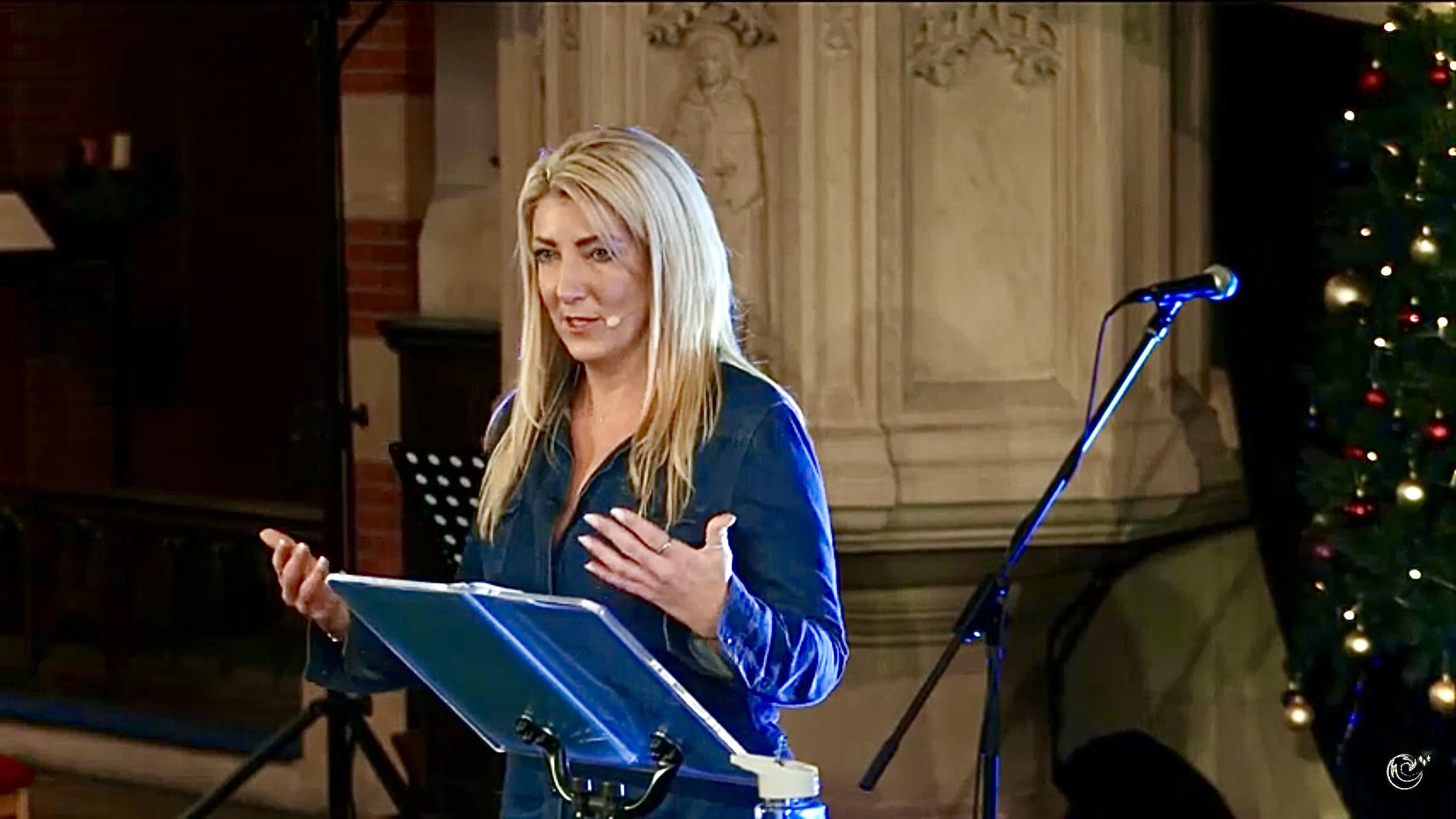
It was on 22nd April 2014 that journalist, presenter and public speaker, Lauren Windle got clean and sober from a cocaine and alcohol addiction, before becoming a Christian five days later.
We're delighted to have Lauren writing a four-part mini-series on addiction for Jubilee+ (third post below).
-----
When it’s doing its job right, the church is a hugely effective sanctuary where the broken retreat for care and kindness. Homeless ministries, food banks and community brunches are available all over the country thanks to willing Christian volunteers. Did you know that eighty per cent of debt support in the UK is offered by the church, for free? But what about addiction support?
When an addict makes themselves known to their church community or leadership, it can feel like venturing into the unknown. But there some very straight forward ways that the church can rally round.
Firstly, and I won’t harp on about this, get that image of a rough sleeper with a bottle of gin in a paper bag out of your head. Yes, there are some people who fit that stereotype but the majority of addicts don’t. You’ll only prevent people coming forward if you think it’s just people who queue up for your soup kitchen.
Next, there are many programmes you can run in your church that directly address addictive behaviours and walk people through the process of establishing their recovery. The STEPS programme is designed for anyone who wants to address unhelpful patterns. Celebrate Recovery is a course for people who want freedom from whatever is controlling their lives. And the Recovery Course uses the 12-step model as well as the Bible to help people tackle addictive and compulsive behaviours. It’s no simple process establishing a course like this in your church, but it is the most fulfilling ministry to see flourish.
Even if you don’t set up a formal programme for addiction, it doesn’t preclude you for reaching out a helping hand. The thing about people in recovery or those wanting to get into recovery, is that they need a multi-pronged approach. They need the spiritual guidance and leadership, but they also need books, podcasts and testimony of others who have experienced similar things. It may also be helpful for them to have counselling and therapy, to establish a fruitful and consistent routine and to attend support group meetings like the anonymous fellowships.
As a church, you could provide books – like Richard Rohr’s Breathing Underwater and Brennan Manning's Ragamuffin Gospel. You can direct people towards counselling or charities that offer those services for free for addicts. And you can recommend that people attend an anonymous group, if they’re unsure, you can even go with them – provided the meeting is listed as “open” on the website. In recovery, we call this “getting into the middle of the bed”, you’re far less likely to fall out when you’re surrounded by a number of different tools to keep you on track.
Most of all the church can step up and offer people true community, where they may not have felt it before. What changed my life was seeing people in church show up for me week after week, when I didn’t believe I was worth showing up for. They were consistent and steadfast long after the novelty of supporting a drug addict had worn off. In his famous TED Talk Johann Hari explained that the opposite of addiction isn’t sobriety, it’s connection.
It’s that connection that the church is uniquely placed to offer… and doing so really could change someone’s life.
-----
Lauren Windle is a journalist, presenter and public speaker, published by Vogue, Marie Claire, Huffington Post, Red Magazine, Mail Online, The Sun Online, Fabulous Digital, The Star, Church Times and others. She also heads up the digital opinion page for Premier’s Woman Alive and presents a weekly show on dating app Salt’s YouTube channel. On 22 April 2014 she got clean and sober from a cocaine and alcohol addiction and became a Christian five days later. She has a master’s in Addiction Studies, runs a charity recovery course for people struggling with addiction and, in 2018, gave a TEDx Talk about her personal story of addiction and recovery. You can connect with Lauren @_lauren_celeste on Instagram and Twitter.